 LIFE by Dr. Pat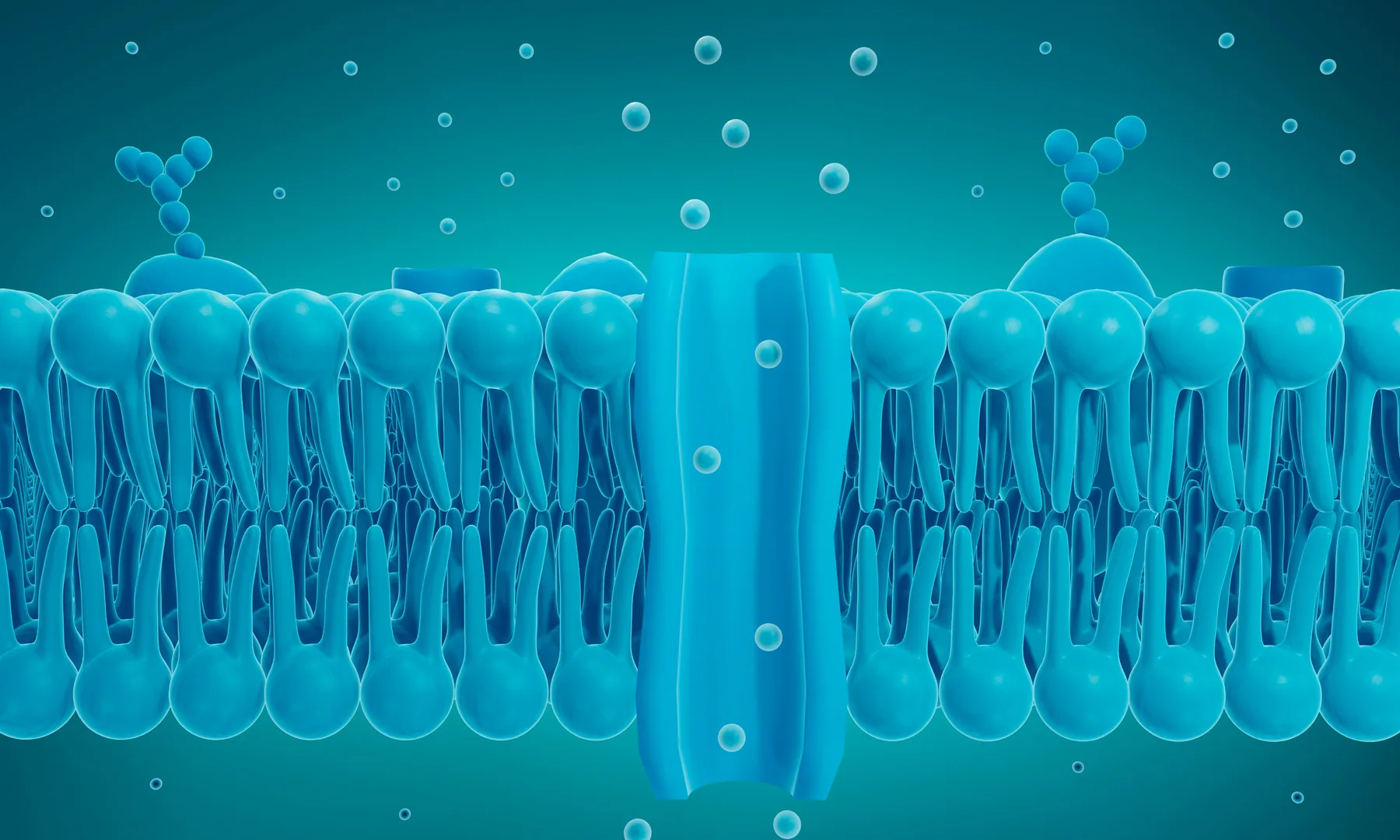
LIFE by Dr. Pat
If your ovarian reserve is low, do not take inositol
Inositol suits PCOS — but it does not suit everyone
What is inositol?
Inositol is a naturally occurring sugar found in many everyday foods.
- Fruit
- Beans
- Grains
- Nuts
What inositol does
- Improves insulin sensitivity
- Lowers androgen levels
- Helps maintain osmotic balance
- Regulates ion channels
Inositol exists as nine stereoisomers. Supplements use myo-inositol, usually combined with D-chiro-inositol, at a dose of 4 g per day.
What supplementing with inositol does
- Androgen (male hormone) levels fall
- Insulin sensitivity increases
- The number of FSH and LH receptors on the follicles falls
In patients with PCOS
In patients with PCOS, inositol supplementation leads to:
- More normal sex-hormone function
- More regular ovulation
- Better oocyte and embryo quality
More on PCOS in our article on PCOS.
In women who ovulate normally — and especially those with low ovarian reserve
In this group, inositol supplementation causes:
- A fall in androgen — yet androgen is needed to increase the pool of early follicles and to prime them to grow once stimulation begins
- Fewer FSH and LH receptors on the follicles, so follicles may not grow even when stimulated
In short
For women who ovulate normally, and especially those with low ovarian reserve, inositol offers no benefit — and it may leave even fewer eggs and a poorer response to stimulation.
References
- Barad DH, Gleicher N. Optimal IVF Protocols for Women over 40 and Low Functional Ovarian Reserve. In: Nikolaou DS, Seifer DB, eds. Optimizing the Management of Fertility in Women over 40. Cambridge University Press; 2022:81-97.
- Hart RJ. Nutritional supplements and IVF: an evidence-based approach. Reproductive BioMedicine Online. 2024;48(3). doi:10.1016/j.rbmo.2023.103770