 LIFE by Dr. Pat
LIFE by Dr. Pat
Testing how the fallopian tubes work (tubal patency)
What methods do we have now, which of them are good, and what are their drawbacks? Let us talk it through.
Author
Dr. Patsama Vichinsartvichai — Thai Board of Obstetrics and Gynaecology; Thai Board of Reproductive Medicine; Diploma in Gynaecological Endoscopic Surgery; MClinEmbryol, EFOG-EBCOG, EFRM-ESHRE/EBCOG.
What the fallopian tubes do
The fallopian tubes lead directly off the uterus, one on the left and one on the right. They have a part to play at every stage of conceiving: receiving the egg from the ovary, carrying the sperm in to meet it, serving as the site of fertilization, supporting the embryo through its first 4–5 days after ovulation, and then moving the embryo into the uterus to implant. You could say that the fallopian tube is just like the incubator we use in the IVF laboratory.
When the tubes do not work
When the tubes do not work — whether they are blocked (nonpatent tubes), swollen with fluid (hydrosalpinges), or inflamed — the opening mechanism of pregnancy cannot happen at all. That is tubal factor infertility, and it is common: 15–30% of people with infertility.
How the tubes work also decides which fertility treatment is open to you. With intrauterine insemination (IUI), for instance, a tubal abnormality is a contraindication: there is no suitable place left for the sperm to fertilize the egg. Someone with a tubal abnormality therefore has to be treated with IVF or ICSI, and nothing else.
The technologies for assessing tubal patency
Assessing the tubes has a long history of evolution behind it. Hysterosalpingography (HSG) was reported as a way of testing the tubes as far back as 1895. Many new methods have been reported since; some have disappeared, some are still with us, and new ones may yet appear.
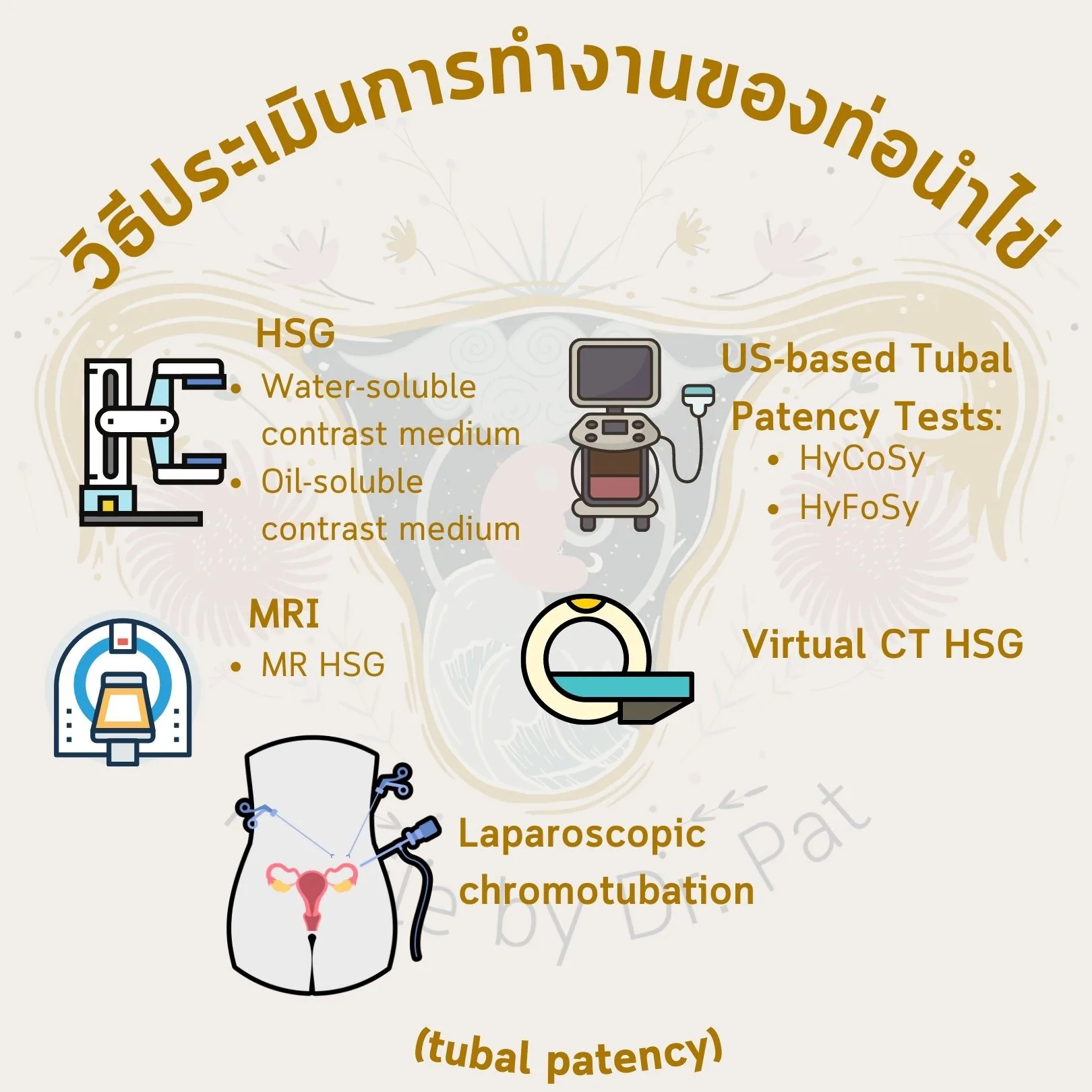
Today there are several ways of testing the tubes. The ones in common use are:
- X-ray contrast study of the tubes (Hysterosalpingography; HSG)
- Assessment by ultrasound technique: Hysterosalpingo-contrast sonography (HyCoSy) and Hysterosalpingo-foam sonography (HyFoSy)
- Assessment with MRI (MR HSG)
- Assessment with virtual CT (CT HSG)
- Assessment by laparoscopy with dye injected through the cervix (Laparoscopic chromopertubation)
1. The X-ray contrast study (Hysterosalpingography; HSG)
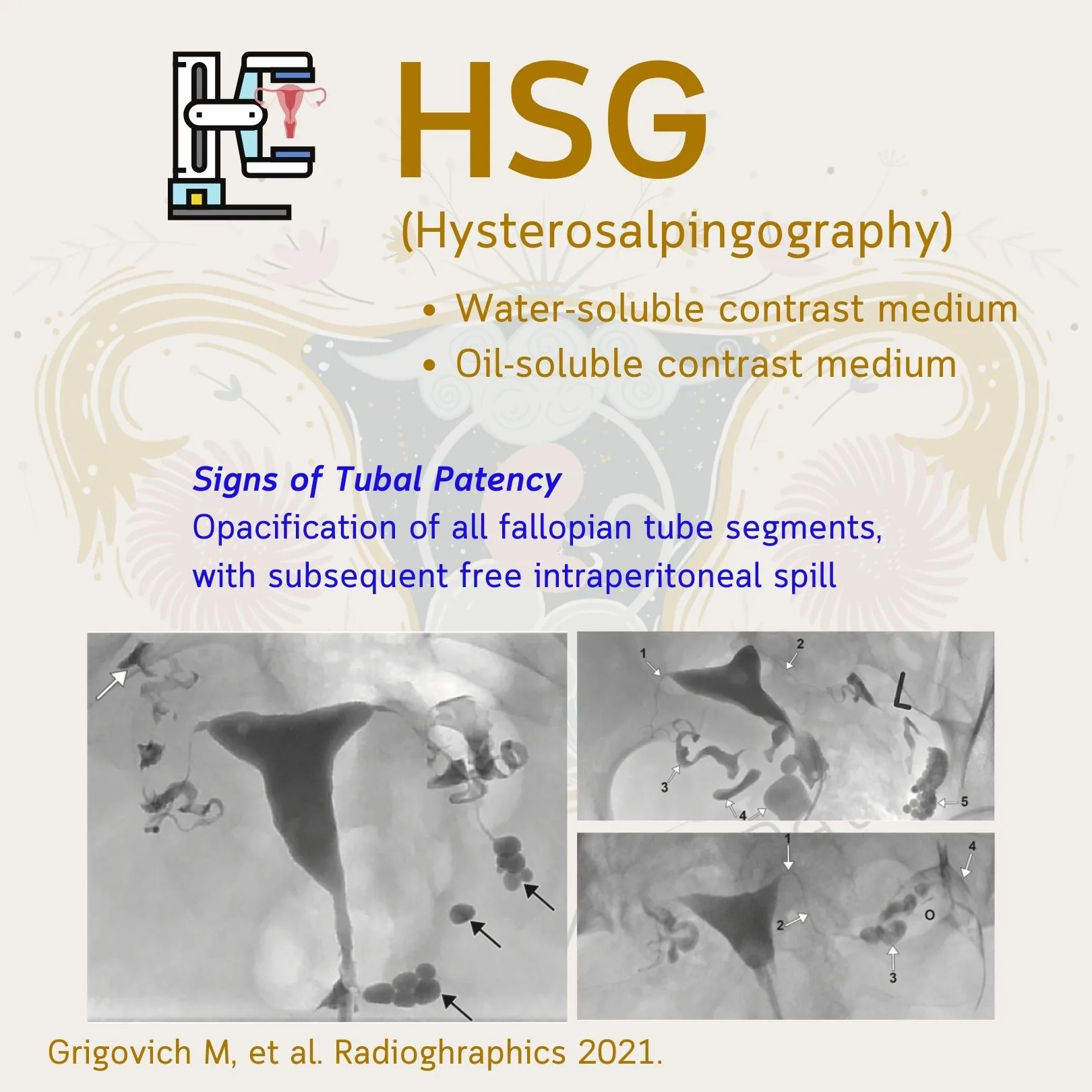
HSG was the first tubal test ever reported. It uses a low dose of X-rays while contrast media is injected through the cervix, so that the shape of the uterine cavity and both tubes can be assessed — judged by the way the contrast spreads out of the tubes.
There are two kinds of contrast: water-soluble contrast media (WSCM) and oil-soluble contrast media (OSCM). OSCM has been found to have a possible therapeutic effect as well, in cases where the patient may have mucus plugging the tube.
The sign of tubal patency on HSG is opacification of all fallopian tube segments, with subsequent free intraperitoneal spill.
The drawbacks of HSG are the pain and discomfort during the test, the X-ray dose to the pelvis, and its limited accuracy — particularly for proximal tubal occlusion, where HSG has been found to be only 40% accurate.
2. Laparoscopy with dye through the cervix (Laparoscopic chromopertubation)
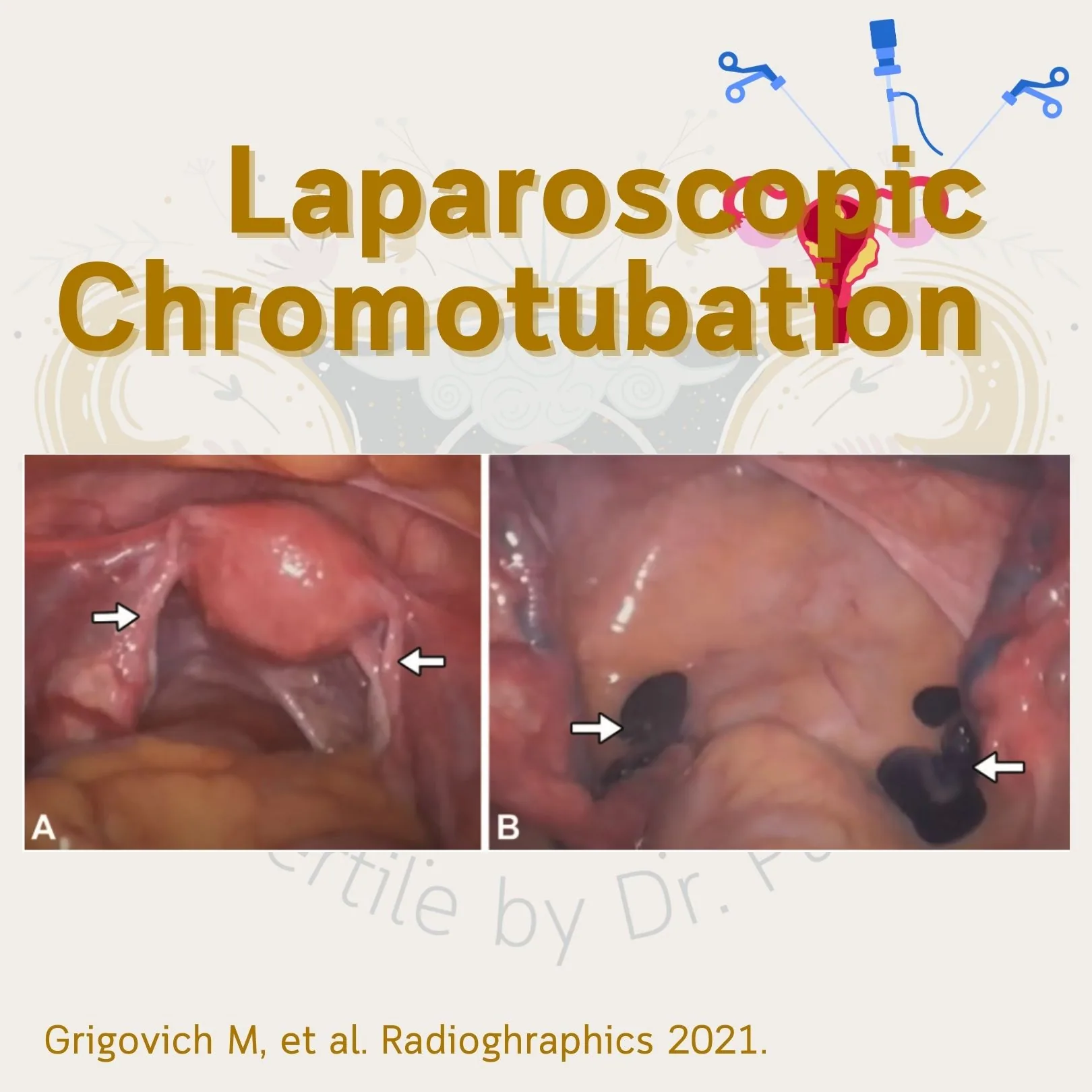
Laparoscopy with dye injected through the cervix counts as the gold standard for assessing the tubes. It is done as laparoscopic surgery under general anaesthesia, and it is highly accurate.
But it counts as an invasive test: it needs general anaesthesia, intubation, and a stay in hospital. So it is done only when the patient needs laparoscopic surgery for something else at the same time.
3. Hysterosalpingo-contrast sonography (HyCoSy)
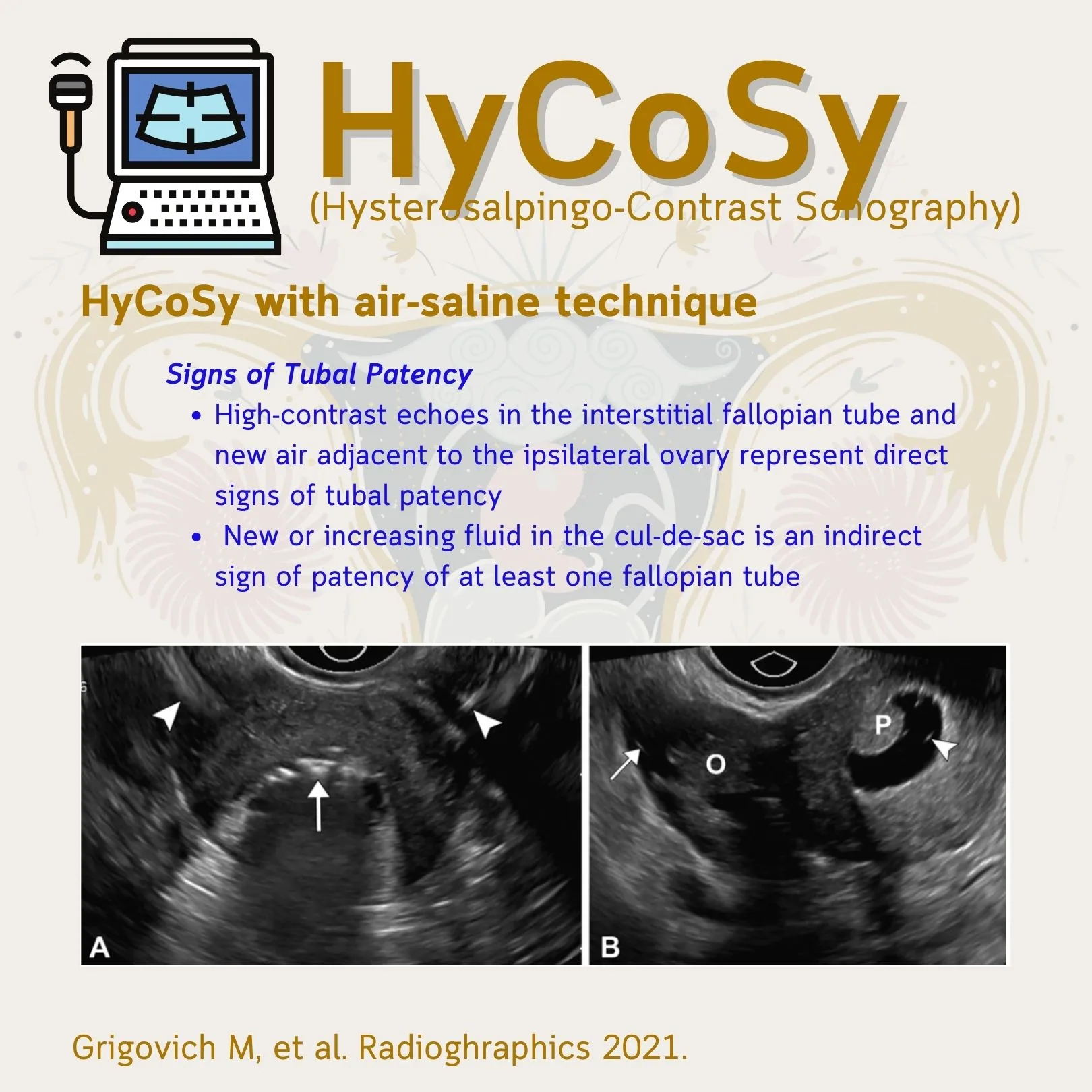
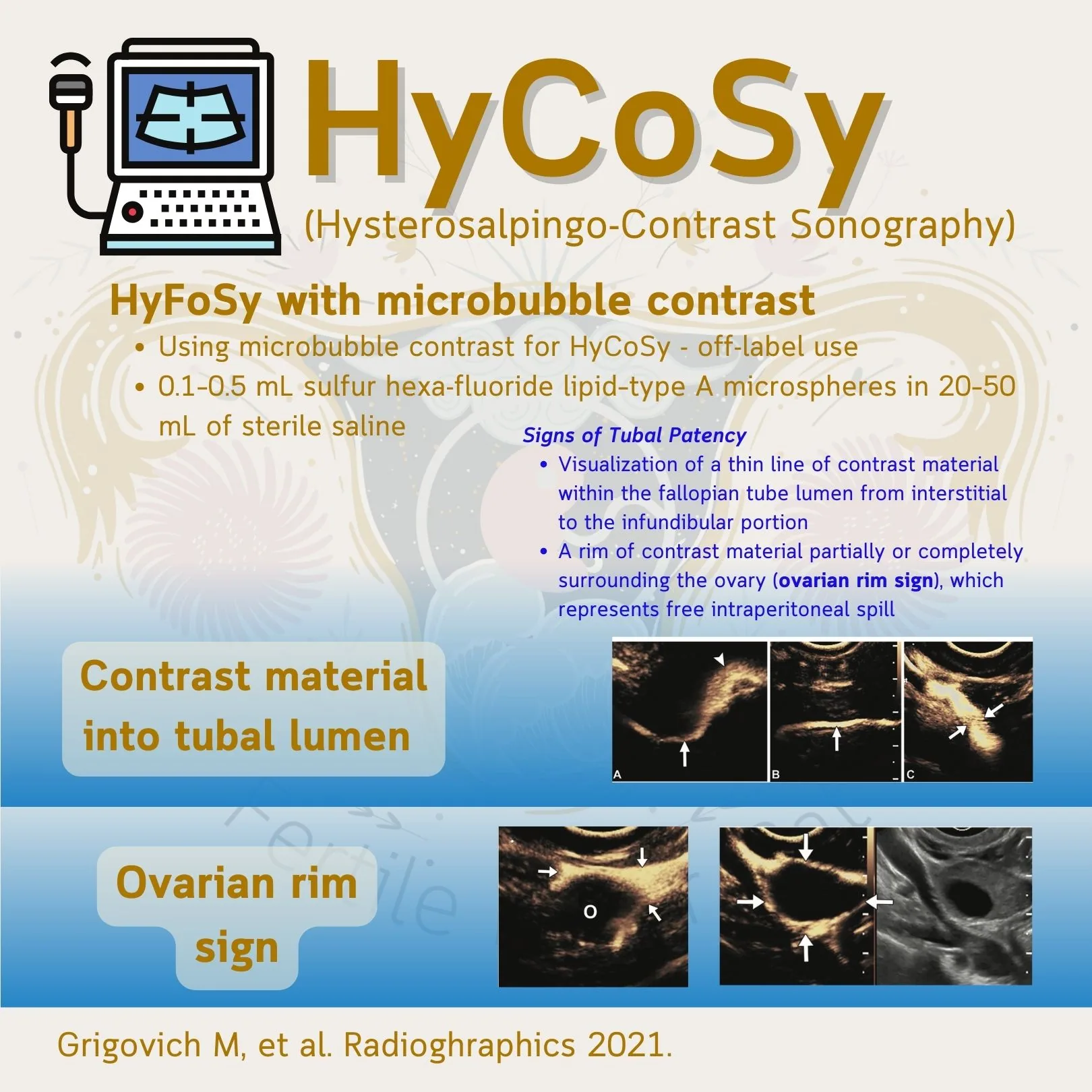
This is a tubal test using ultrasound, with saline carrying tiny air bubbles injected into the uterine cavity. The bubbly saline shows up white as it comes out of the fimbriae, and you can see the saline sitting around the ovary on the normal side (ovarian rim sign).
- Direct signs of tubal patency: high-contrast echoes in the interstitial fallopian tube, and new air adjacent to the ipsilateral ovary.
- Indirect sign: new or increasing fluid in the cul-de-sac is an indirect sign of patency of at least one fallopian tube.
The advantages of HyCoSy: very little pain from the test, low cost, no hospital stay, and it can be done in almost any fertility clinic — because the ultrasound machine is there anyway.
The test can also add three-dimensional ultrasound (3D-TVUS), which shows the contrast leaving both tubes at the same time, just as HSG does.
](../../assets/e34b21839c98-1800.webp)
HyCoSy using microbubble contrast
- Using microbubble contrast for HyCoSy is an off-label use.
- 0.1–0.5 mL of sulfur hexa-fluoride lipid-type A microspheres in 20–50 mL of sterile saline.
- Sign of tubal patency: visualization of a thin line of contrast material within the fallopian tube lumen, from the interstitial to the infundibular portion.
- Sign of tubal patency: a rim of contrast material partially or completely surrounding the ovary (ovarian rim sign), which represents free intraperitoneal spill.
4. Hysterosalpingo-foam sonography (HyFoSy)
This is an ultrasound test like HyCoSy, the difference being that HyFoSy injects a foam-textured material into the uterine cavity — with more air bubbles through it than saline has. It shows up a denser white than the saline in HyCoSy, so it is easier to see.
- Intrauterine injection of air polymer-type A foam (5 mL of sterile purified water + 5 mL of a hydroxyethyl cellulose and glycerol).
- Nonembryotoxic; FDA approved for use in fallopian tube patency.
- Signs of tubal patency: the foam passes from the tube into the peritoneal cavity, and the lumen of the fallopian tube appears as a thin high-contrast line.
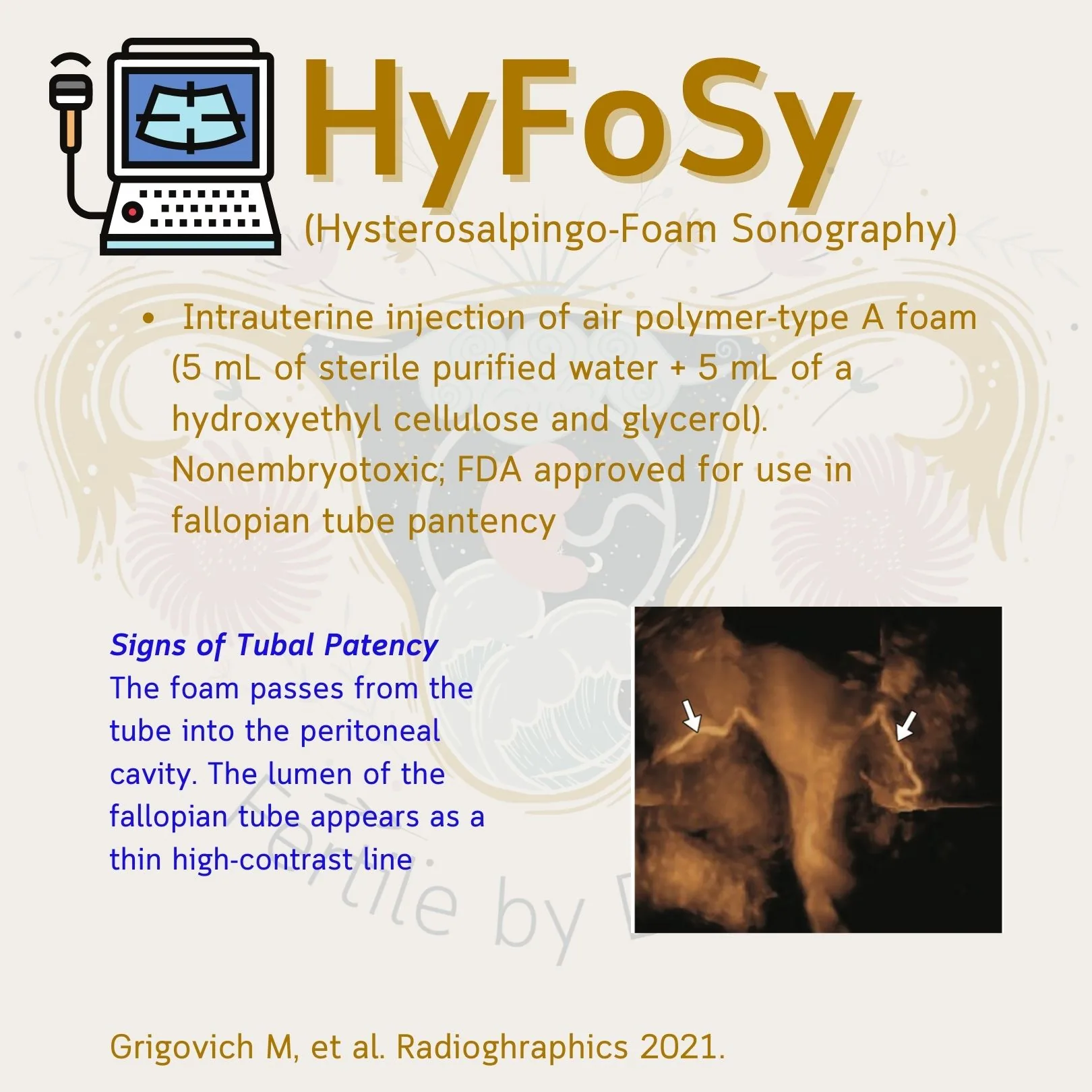
HyCoSy and HyFoSy are very accurate in diagnosing how the tubes work — close to laparoscopic chromopertubation.
MR HSG and CT HSG
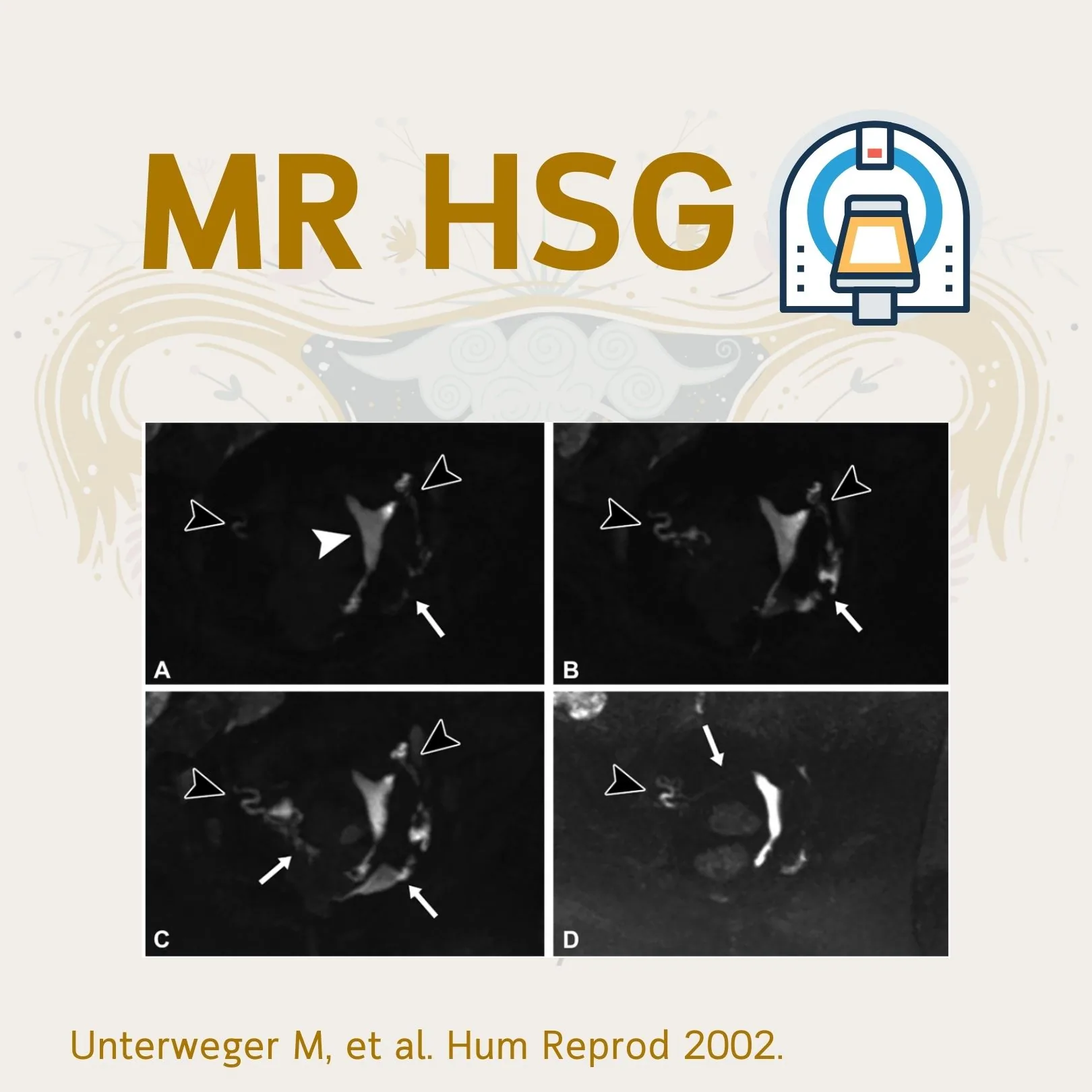
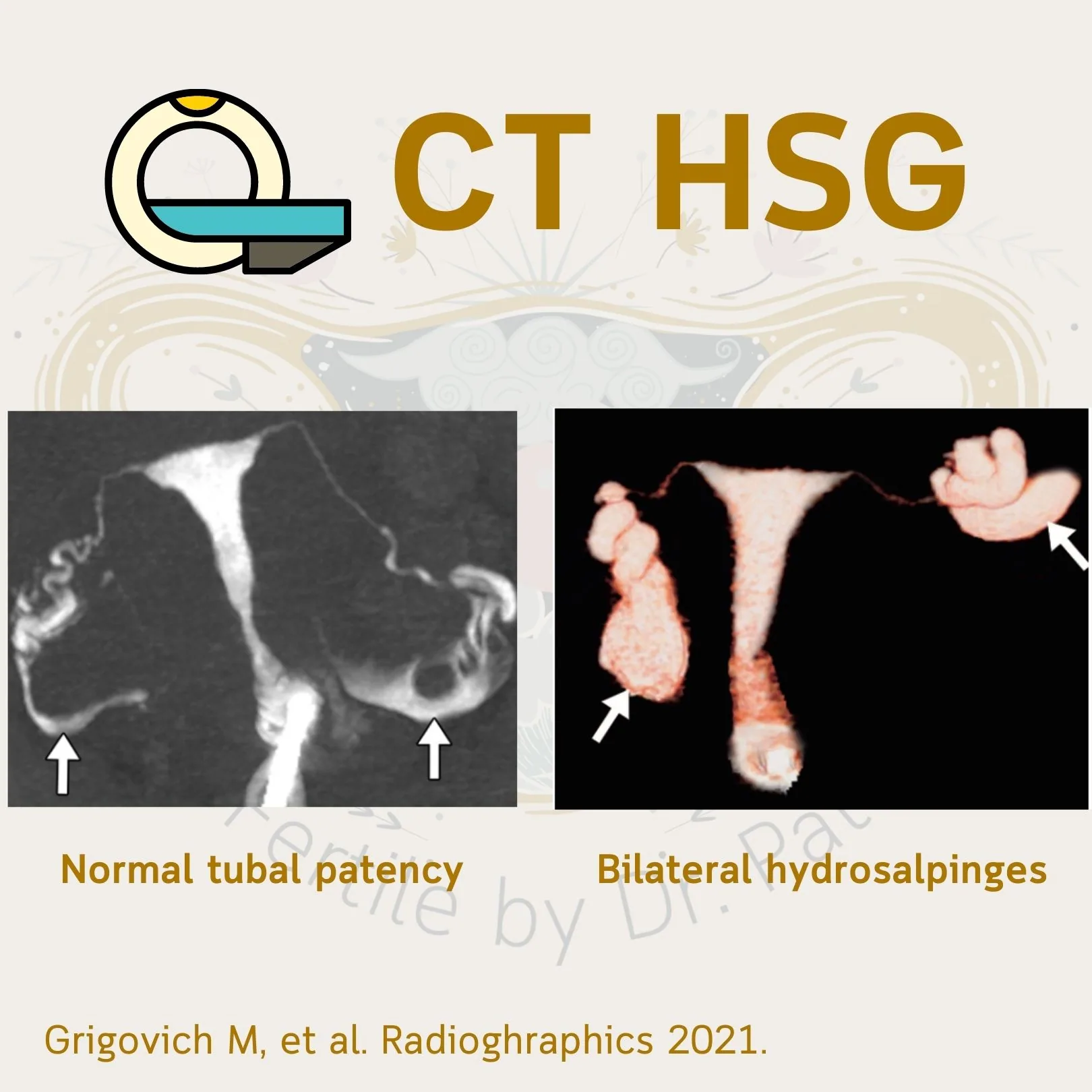
As for MR HSG and CT HSG, I think the tests are very cumbersome, the machines are limited in number and not widely available, and the cost is high — which leaves them not worth ordering.
Sensitivity and specificity of each test, side by side
| Test | Sensitivity (%) | Specificity (%) |
|---|---|---|
| HSG | 65–81 | 75–83 |
| HyCoSy with air-saline | 76.1 | 79.4 |
| HyCoSy with microbubble contrast | 91 | 95 |
| 3D or 4D HyCoSy with microbubble contrast | 95 | 94 |
| HyFoSy | 87.5 | 100 |
| Virtual CT HSG | 100 | 86 |
| MR HSG | 100 | 82–93 |
In summary
Which method you use to assess the tubes depends on the experience and skill of the institution doing the test, and on the patient's condition.
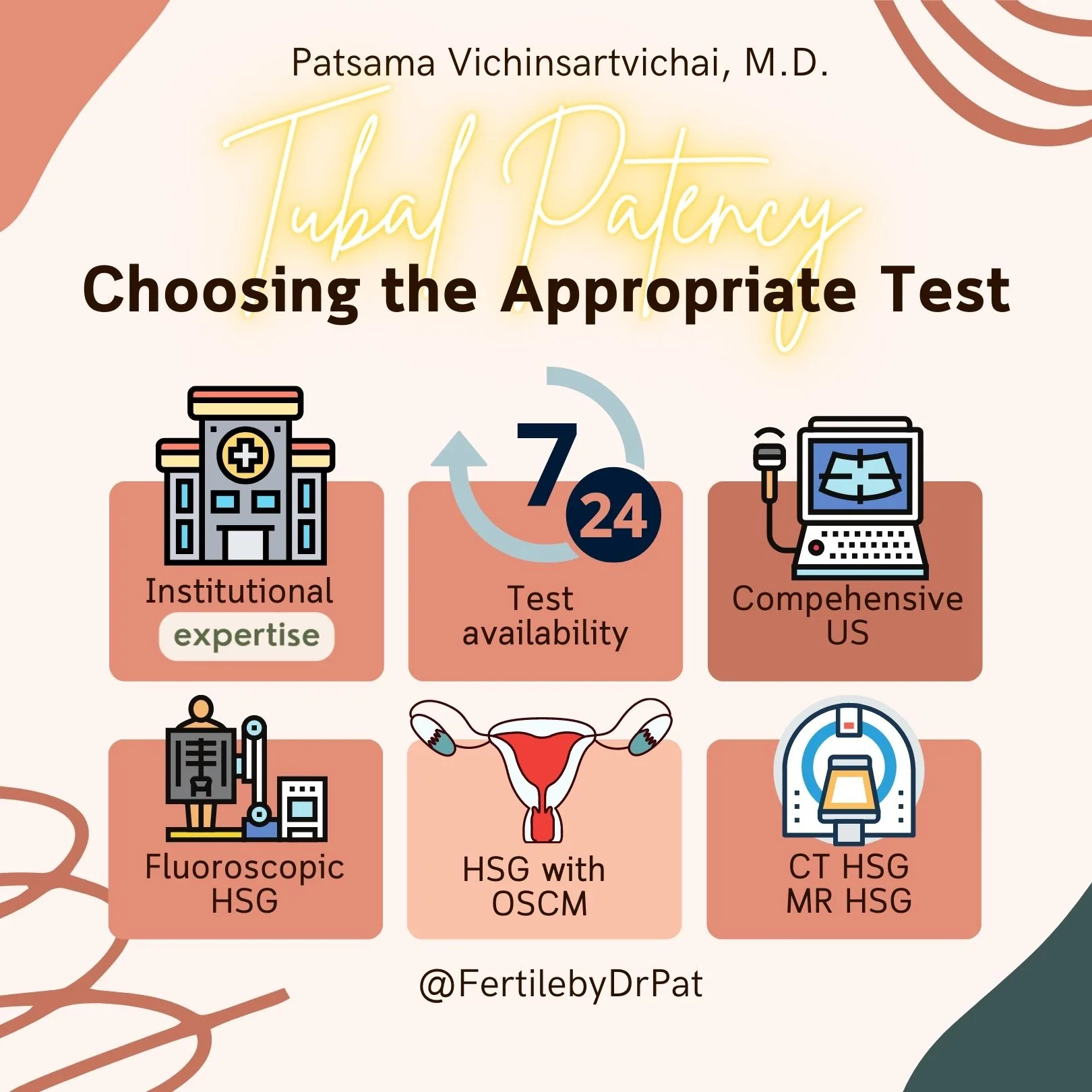
My slide Choosing the Appropriate Test puts these six things together:
- Institutional expertise
- Test availability
- Comprehensive US
- Fluoroscopic HSG
- HSG with OSCM
- CT HSG and MR HSG
References
- Patil, Eva et al. The history and current status of fallopian tube pressures — developing alternate methods for confirmation of tubal occlusion. Contraception, Volume 92, Issue 2, 124-127.
- Grigovich M, Kacharia VS, Bharwani N, Hemingway A, Mijatovic V, Rodgers SK. Evaluating Fallopian Tube Patency: What the Radiologist Needs to Know. Radiographics. 2021 Oct;41(6):1876-1896.
With my best wishes — Dr. Patsama Vichinsartvichai · Fertile by Dr. Pat · LIFE by Dr. Pat
- Fallopian tubes
- tubal patency
- Blocked tubes
- HSG
- HyCoSy
- HyFoSy
- laparoscopic chromopertubation
- Infertility