 LIFE by Dr. Pat
LIFE by Dr. Pat
How do you count the day you ovulate?
If your cycle is regular, do not sit there counting
Hands up — who has sat down and counted their ovulation day? Wondering which day the egg drops, and which day to get cosy with your husband, until you are thoroughly muddled; you turn it over and over and — oh dear, the day has gone past, so now you wait for the next cycle. Ha ha.
Which days carry the highest chance
There is a study from a long while back — 1995 — which found that if you have sex only once in the cycle, the chance of pregnancy is highest two days before ovulation, one day before ovulation, and on the day of ovulation itself. Those days only. The day after ovulation, the chance is zero.
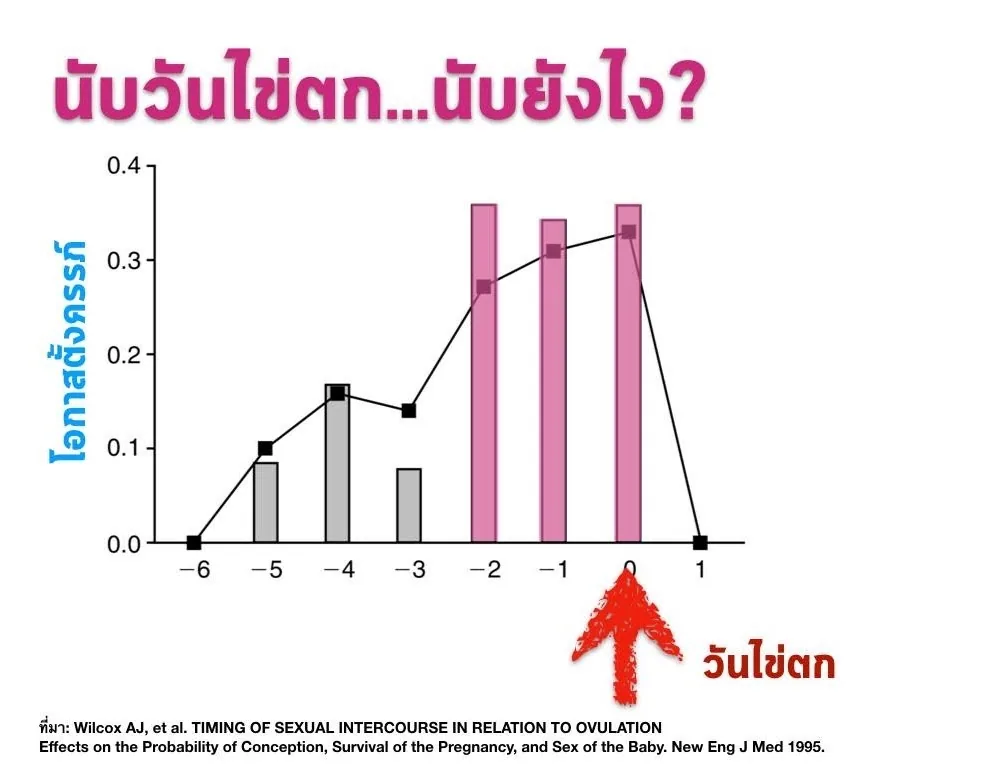
Why is that
Think back to when you and your husband were courting. He asks you out to dinner — if the woman is the one left waiting, how many couples would survive that? The man has to be the one who goes and waits. Am I right?
The scientific fact is that sperm can stay alive in the uterine cavity and the fallopian tubes for up to 3–5 days, while the egg, once released, lives only 12–24 hours. If no sperm arrives to fertilise her, she shrivels, withers and takes her leave of this world — and next cycle we start counting from one again.
So how do people track ovulation?
I am sure everyone going through fertility treatment has counted their ovulation day one way or another:
- Marking a calendar — the one on the desk, the one on the wall, whichever.
- Taking your body temperature — wake up, do not get out of bed, measure first, then write it down, and down, and down, every day.
- Watching the ovulation mucus — clear and stretchy, and off you go.
- Testing the urine for the LH hormone — every brand under the sun, from the five- or ten-baht strip up to expensive devices that can link to an app and to AI, such as the Clearblue with the smiley face.
- Smearing saliva on a little scope to look for fern-shaped crystals — spot the fern and get to it.
- The phone apps, on both the App Store and the Play Store — by now there are more than anyone can count. Try searching “fertile window” or something along those lines.
If you are counting on a calendar, the formula people use is the day of ovulation = the length of your cycle − 14 days, and it only applies to someone whose cycle is not longer than 35 days.
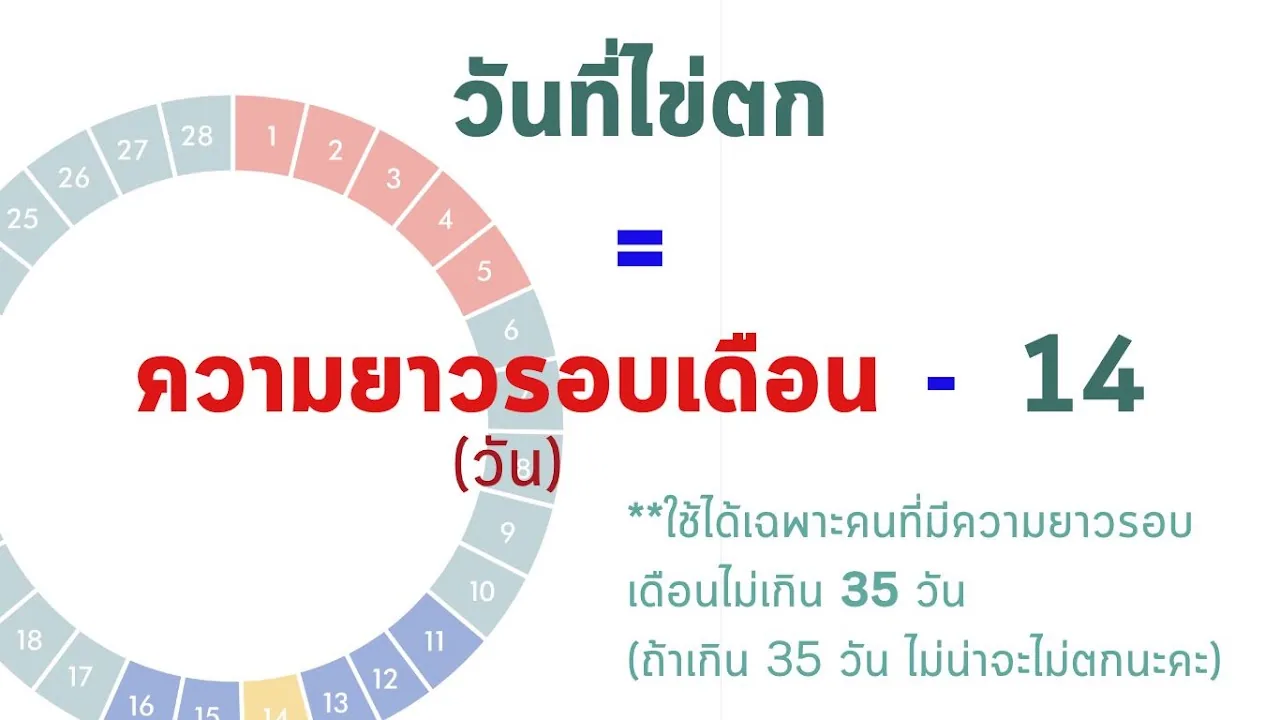
Many people ask me how they ought to count
You count and count, you have nudged your husband until your fingernails are worn down, and still it has not happened.
Every one of my patients has heard me give the same advice: turn your attention, turn your mind, towards something else; do not lie around at home doing nothing after an embryo transfer; and so on. Because stress is a very big reason why pregnancy does not happen.
Counting ovulation days is the same — it is stressful
Several studies have compared having relaxed sex two or three times a week against counting the ovulation day — by whatever method — and then going at it hard during the ovulation week. The result: the relaxed way gives the higher chance of pregnancy. Spend all your time counting, and counting again, and sometimes you are both free and sometimes you are not — and so it never happens.
So do not sit there counting the day of ovulation. If your period comes regularly — meaning every 24 to 35 days, not regularly every three months — then go ahead whichever day you like, steadily, two or three times a week. That is where the chance is greatest.
If you want to take the challenge up a level
But if you want to take the challenge up a level, again there is no need to sit and count the day of ovulation. There are studies that found:
| How often | Chance of pregnancy in 3 months |
|---|---|
| Every day, right through the cycle | 75% |
| Every other day, right through the cycle | 66% |
| Relaxed, two or three times a week | 60% |
| Putting all the effort into counting the ovulation day | 30-40% |
Loving each other regularly is best of all.
With my best wishes — Dr. Patsama Vichinsartvichai
- Ovulation day
- fertile window
- LH hormone
- Body temperature
- Ovulation mucus
- Menstrual cycle
- Stress
- Regular intercourse