 LIFE by Dr. Pat
LIFE by Dr. Pat
What makes a period normal
Two cycles stacked inside one month, and the four things that say it is normal
Two cycles stacked inside one
Did you know that inside a woman's monthly cycle there are two more cycles stacked on top of each other? There is the menstrual cycle, the cycle of the endometrium, which builds itself up and gets ready to receive an embryo implanting; and the ovulatory cycle, which makes the egg and the sex hormones that go off and talk to the pituitary gland and to the hypothalamus, and talk to the uterus and the rest of the female reproductive system.
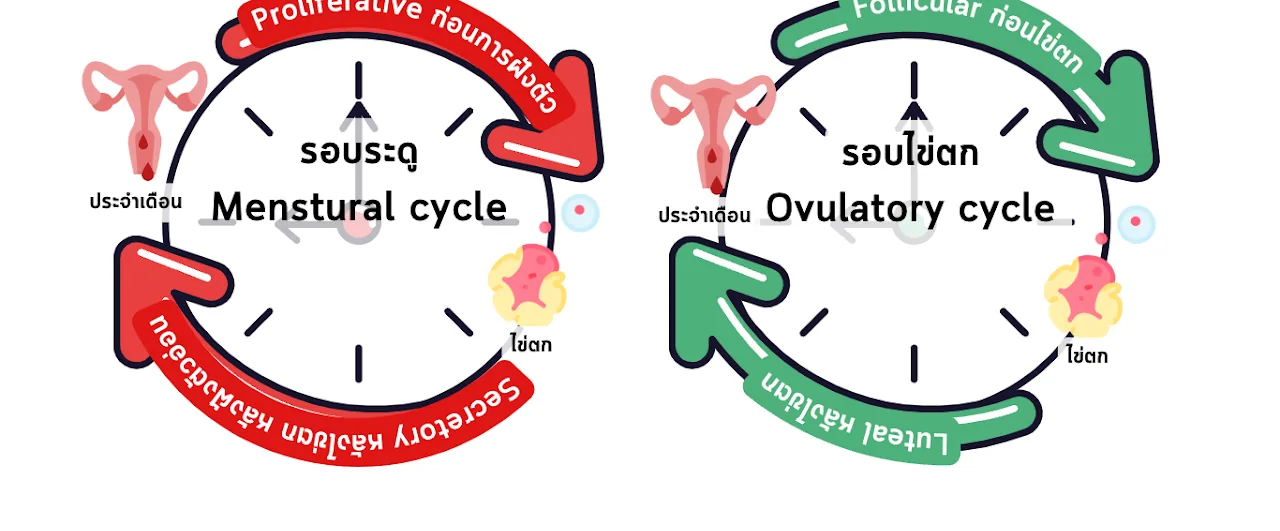
A normal period has four features
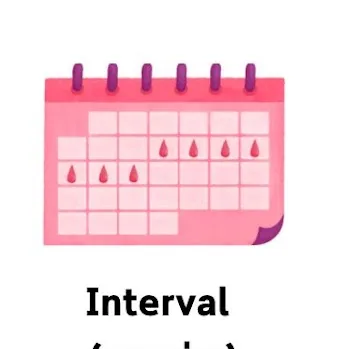
A normal period has four features:
- Interval — from the first day of one period (the first day of bleeding) to the first day of the next is normally about 21–35 days.
- Duration — the bleeding lasts about 3–7 days.
- Amount — one period loses about 80 ml of blood, roughly 6 tablespoons (as if anyone sits down and measures it), or about 4–5 pads on the heavy days.
- Regularity — meaning that if your period comes every 21 days, the gap is much the same every month. Not 21 days this time, then nothing for two months, then 30 days the month after. That is not regular.
This is the one I like to tease my patients with a uterine anomaly about: normally you should be getting through at least one pack of pads a month — otherwise where would the companies find the money to buy prime time ads on free TV every single day? But get through several packs in a month and their profits will start to suffer.
There are a great many things that can go wrong with periods. If something is troubling you, do go and talk it over with a gynaecologist.
With love — Dr. Patsama
- menstruation
- menstrual cycle
- ovulation
- endometrium
- Follicular
- Luteal
- hypothalamus
- abnormal periods