 LIFE by Dr. Pat
LIFE by Dr. Pat
Śakti — a help for women with infertility
A supplement to slow ovarian ageing — what does it actually do?
Patients like to come and ask me which supplement is good to take when you are having trouble conceiving. Look at the market and you will see any number of brands — from the mainstream ones all the way to the half-belief, pseudoscience ones. So I worked out this Śakti formula, so that a patient takes it just once a day and still gets the full set of nutrients (1 capsule, once a day, before food).
The formula grew out of the research, and out of studying the good supplements made abroad. I went to see the factory, which manufactures to GMP standard, and the formula is registered with the Food and Drug Administration — safe, up to standard. Beyond that I chose the packaging myself and designed the label myself (right down to the bottle and the cap). Every step of it, so that a patient using my supplement can be sure of getting the full benefit, safely, and at a price that is not expensive.
Today I am going to lay the research out for you, so you can see what each of the nutrients I picked is good for.
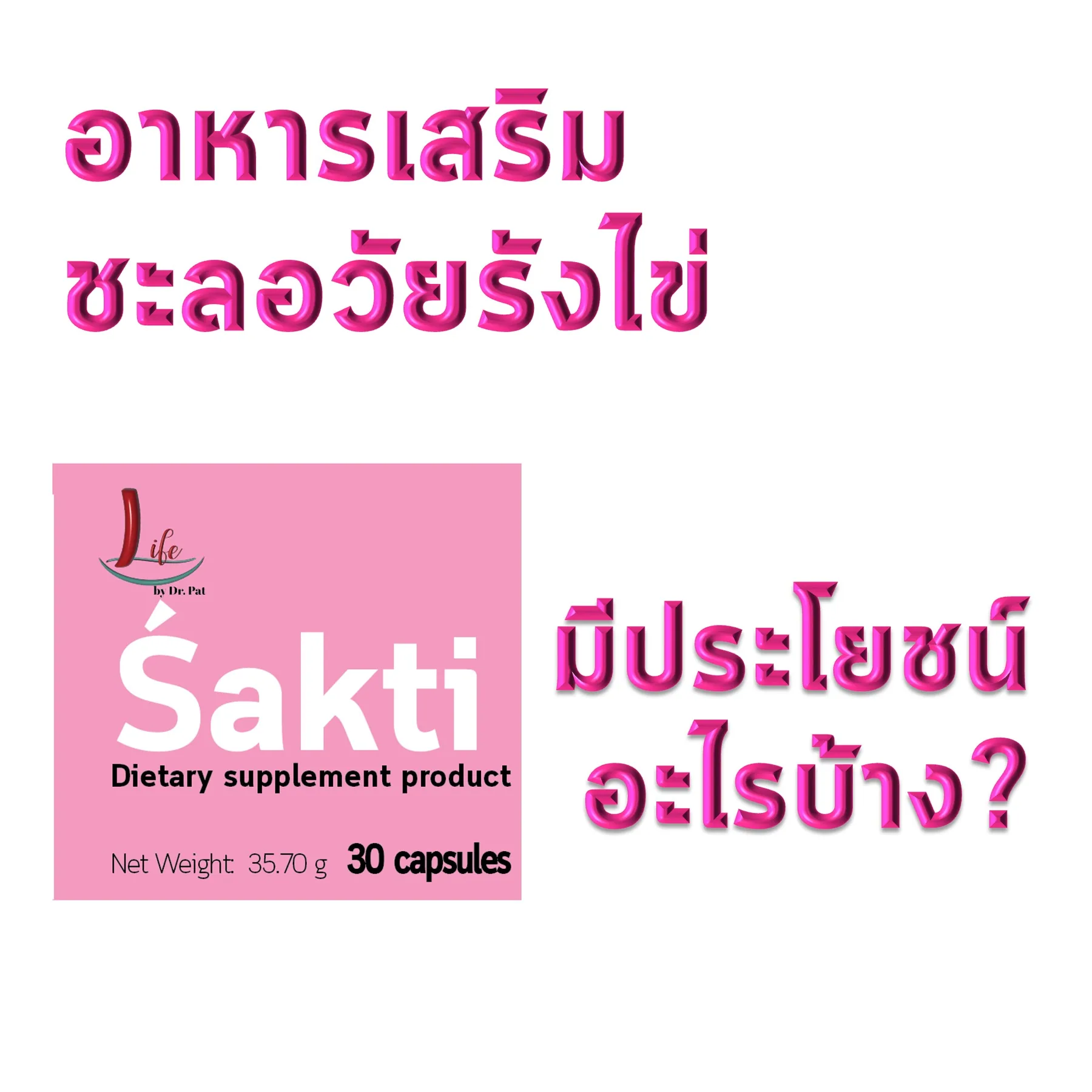
What the research says about each nutrient in the formula
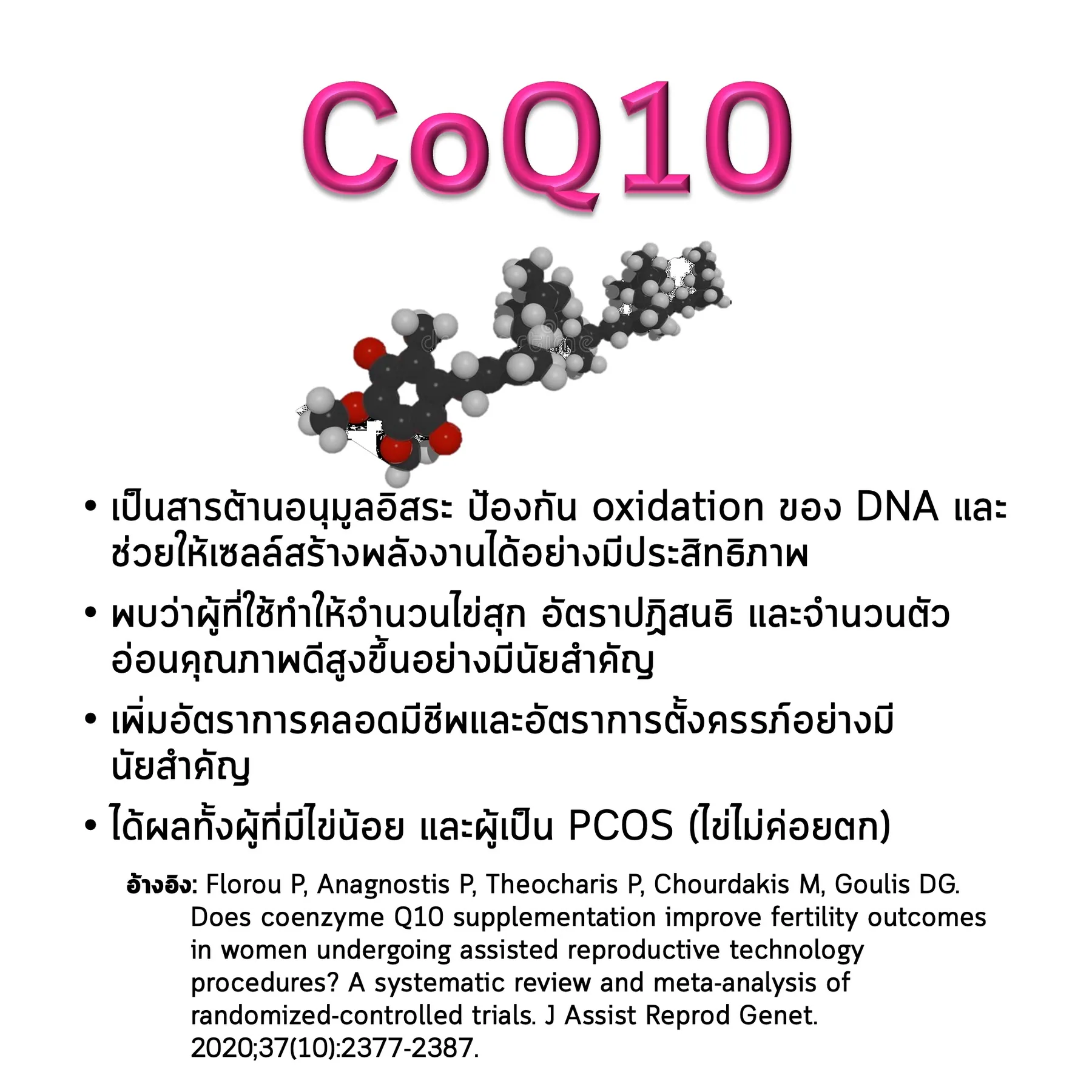
Coenzyme Q10 (CoQ10)
- A fat-soluble antioxidant. It helps protect DNA against oxidation, and helps the cell produce energy efficiently.
- After 8–12 weeks of use, the number of mature eggs, the fertilisation rate and the number of good-quality embryos all rose significantly.
- It raises the pregnancy rate and the live birth rate significantly.
- It works both in those with few eggs and in those with PCOS (chronic anovulation).
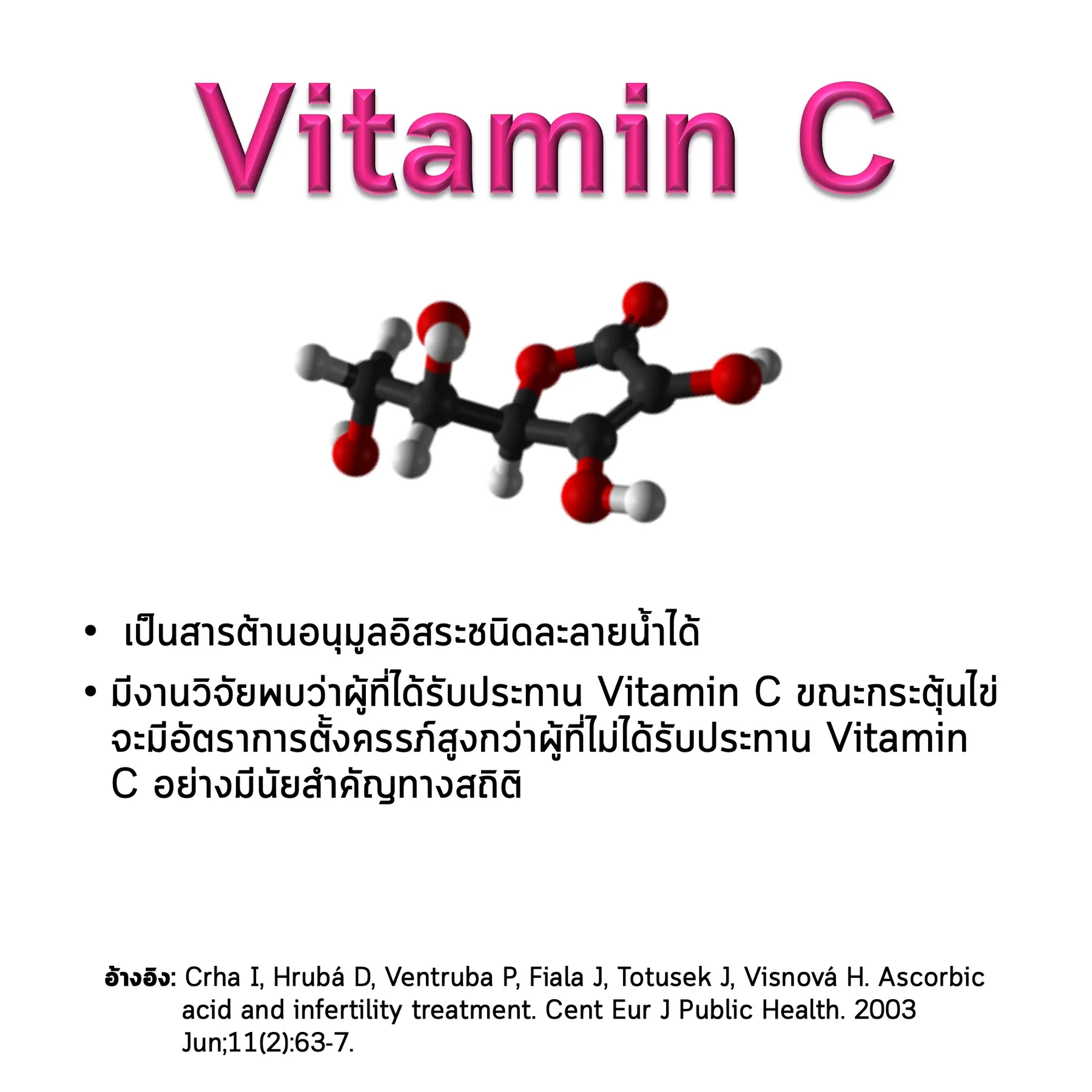
Vitamin C
- A water-soluble antioxidant.
- Research has found that those who took Vitamin C during ovarian stimulation in an IVF cycle had a statistically significantly higher pregnancy rate than those who did not.
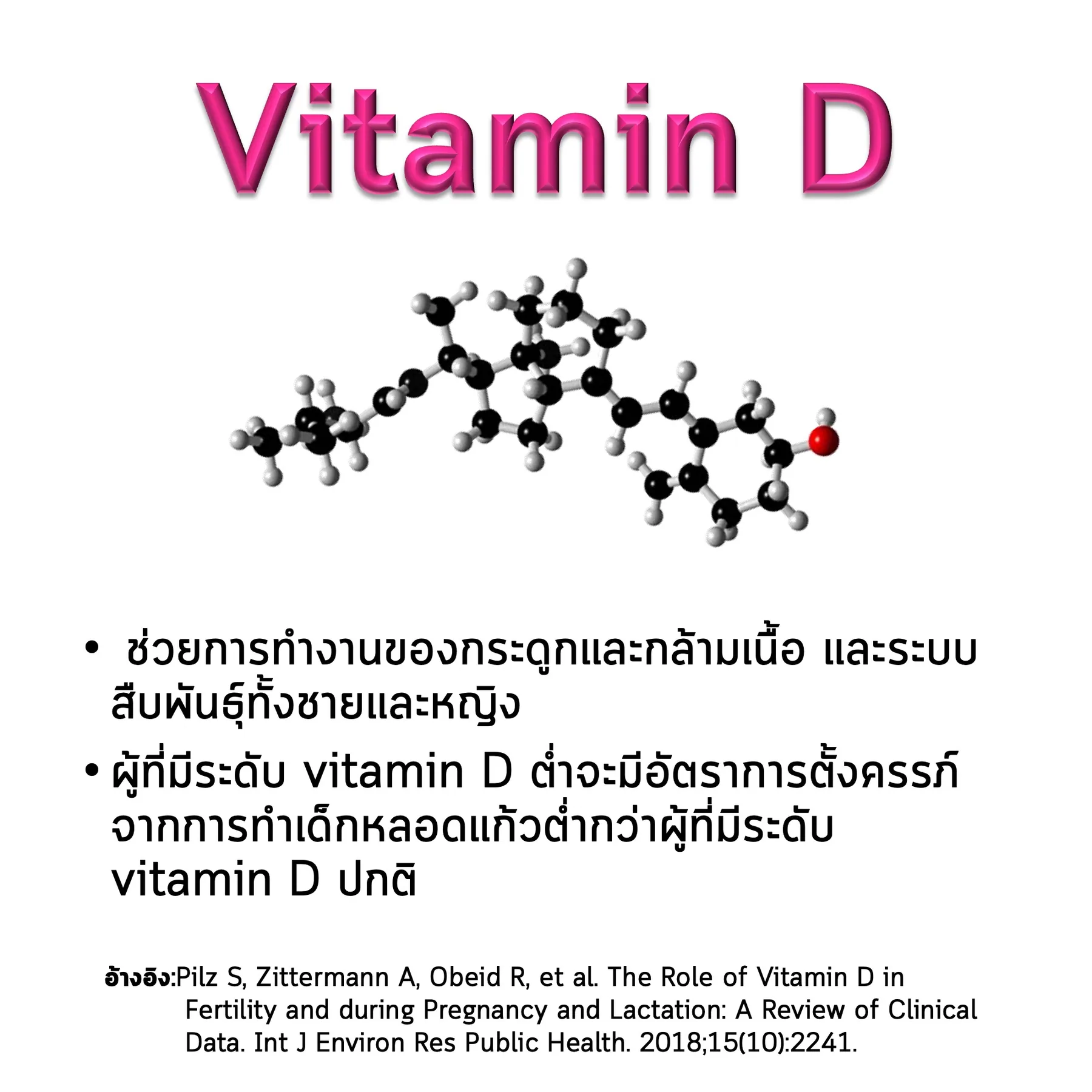
Vitamin D
- A fat-soluble vitamin. It plays a part in how bone and muscle work, and it also affects how the reproductive system works in both men and women.
- Those whose blood Vitamin D is low have a lower chance of pregnancy from IVF than those whose Vitamin D is normal.
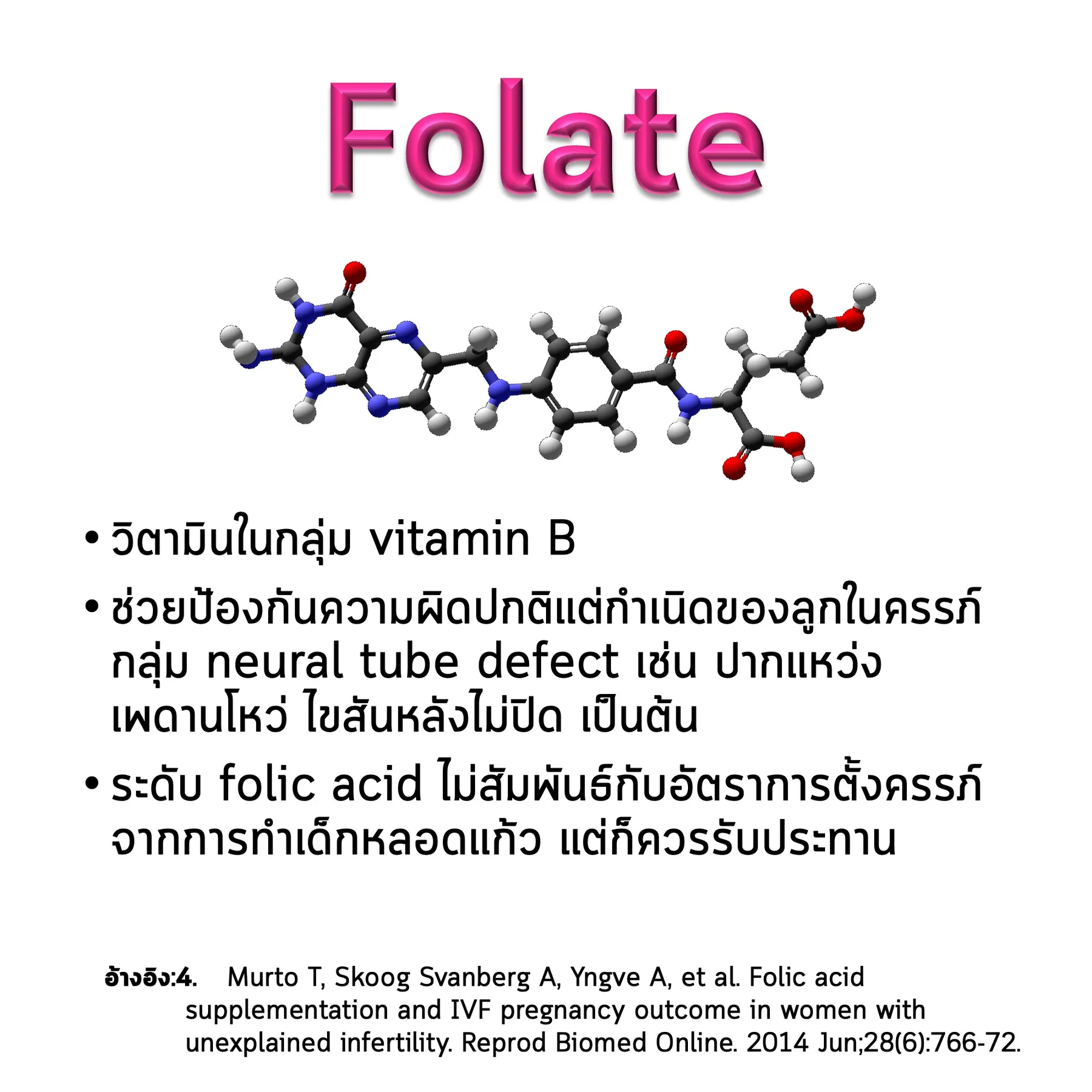
Folic acid
- A vitamin in the Vitamin B group.
- It helps prevent congenital abnormalities in the child in the womb, of the neural tube defect group — cleft lip, cleft palate, an unclosed spinal cord, and so on.
- Research in people going through IVF found that the blood folic acid level is not related to the pregnancy rate — but it should still be taken, to protect the child against malformation.
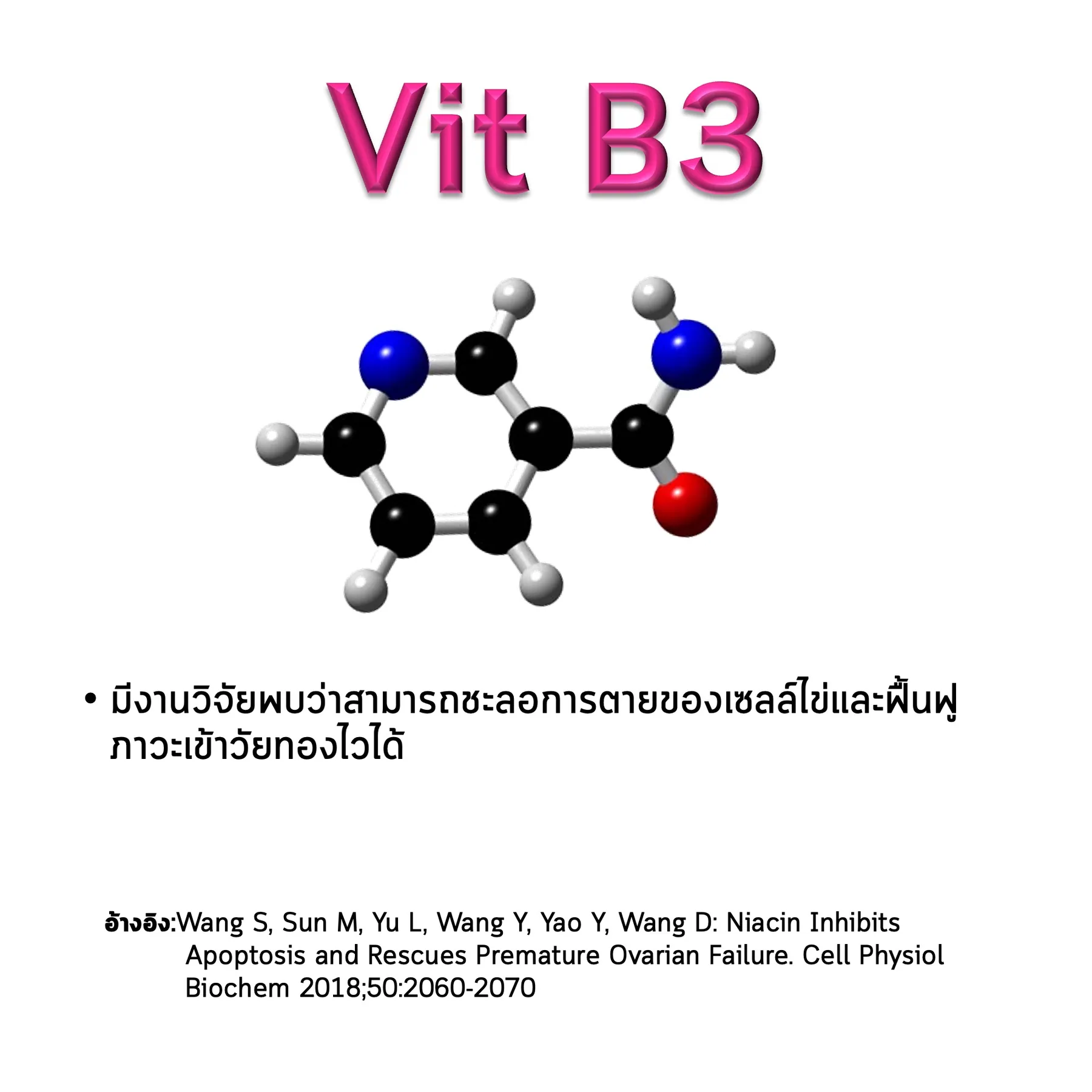
Vitamin B3 (Niacinamide)
- Research has found that it can slow the death of egg cells, and can rescue a premature menopause.
Zinc
- A mineral that matters for the normal division of the egg cell, for fertilisation, for the normal division of the embryo, and all the way to implantation.
- At fertilisation there is a flash of Zinc — what is called the Zinc spark.
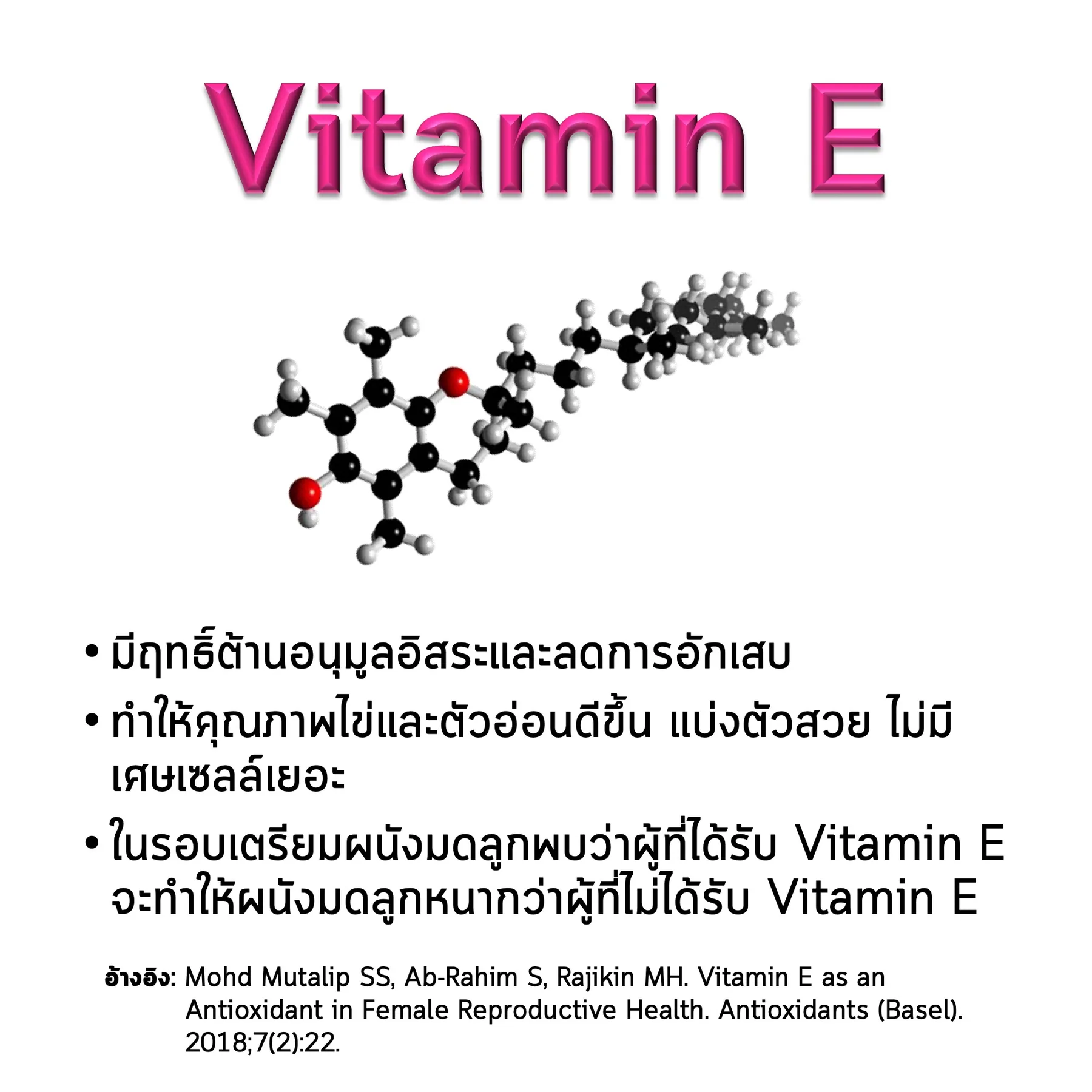
Vitamin E
- It acts as an antioxidant and reduces inflammation.
- Research has found that getting Vitamin E improves the quality of eggs and embryos — they divide neatly, without a lot of cell debris.
- In a cycle preparing the uterine lining, those who received Vitamin E had a thicker lining than those who did not.
So — what do you make of the nutrients I went and looked up?
Ordering Śakti
If Śakti interests you, go to the shop on the website, or to the Line Shop “Life by Dr. Pat”. And if you are already coming in for your appointments, just ask any of the staff.
Read next
References
- Florou P, Anagnostis P, Theocharis P, Chourdakis M, Goulis DG. Does coenzyme Q10 supplementation improve fertility outcomes in women undergoing assisted reproductive technology procedures? A systematic review and meta-analysis of randomized-controlled trials. J Assist Reprod Genet. 2020;37(10):2377-2387.
- Crha I, Hrubá D, Ventruba P, Fiala J, Totusek J, Visnová H. Ascorbic acid and infertility treatment. Cent Eur J Public Health. 2003 Jun;11(2):63-7.
- Pilz S, Zittermann A, Obeid R, et al. The Role of Vitamin D in Fertility and during Pregnancy and Lactation: A Review of Clinical Data. Int J Environ Res Public Health. 2018;15(10):2241.
- Murto T, Skoog Svanberg A, Yngve A, et al. Folic acid supplementation and IVF pregnancy outcome in women with unexplained infertility. Reprod Biomed Online. 2014 Jun;28(6):766-72.
- Wang S, Sun M, Yu L, Wang Y, Yao Y, Wang D. Niacin Inhibits Apoptosis and Rescues Premature Ovarian Failure. Cell Physiol Biochem. 2018;50:2060-2070.
- Garner TB, Hester JM, Carothers A, Diaz FJ. Role of zinc in female reproduction. Biol Reprod. 2021 May 7;104(5):976-994.
- Mohd Mutalip SS, Ab-Rahim S, Rajikin MH. Vitamin E as an Antioxidant in Female Reproductive Health. Antioxidants (Basel). 2018;7(2):22.
With my best wishes — Dr. Patsama Vichinsartvichai
- Śakti
- Supplement for women with infertility
- Slowing ovarian ageing
- Egg quality
- Antioxidants
- CoQ10
- Zinc
- PCOS